Early Childhood Education and Care (ECEC) refers to education and childcare provided in regulated settings from birth to the start of primary school. This POSTnote summarises the evidence on the association between ECEC and children’s development in England and the key factors that affect this.
It also covers the impact of government-funded ECEC places on families and the sector, and stakeholder perspectives on public policy priorities.
This broad report looks at a wide range of mental health concerns and potential responses that schools can make, examining the latest evidence on the effectiveness of interventions designed to:
enhance young people’s mental health and wellbeing
prevent or reduce mental health problems, including anxiety, depression and suicidality
address behavioral difficulties, including bullying, aggression and sexual violence or harassment.
A school in Northern Ireland, Riverside, has developed the concept of Sensory Sanctuaries, and are now developing these alongside their Sports Sanctuary.
“Our sensory sanctuary is in a space positioned in the centre of our school, which is easily accessible for all. It is filled with natural light and has both outdoor and indoor elements. It will be filled with restorative sensory experiences that aim to promote inner peace and calm in our young people, enabling emotional self-regulation. For those learners who find it more difficult to transition to the area, the sanctuary will be accessible to them in their classrooms through sensory boxes replicating activities in the sensory sanctuary.”
An outline paper, by Shona McCann is below, but the key message is think about this concept for the children in your school. How would it aid their readjustment back to the busy school environment? How would it help process excessive sensory stimulation after a quieter life in Lockdown, and avoid sensory overload?
The work builds on the principles and values of the Recovery Curriculum. We need to emotionally regulate to educate, and this concept is ideal for bringing that to child centred reality.
It is my pleasure to supervise this Project, and as the work developed updates will be posted. So watch this space!
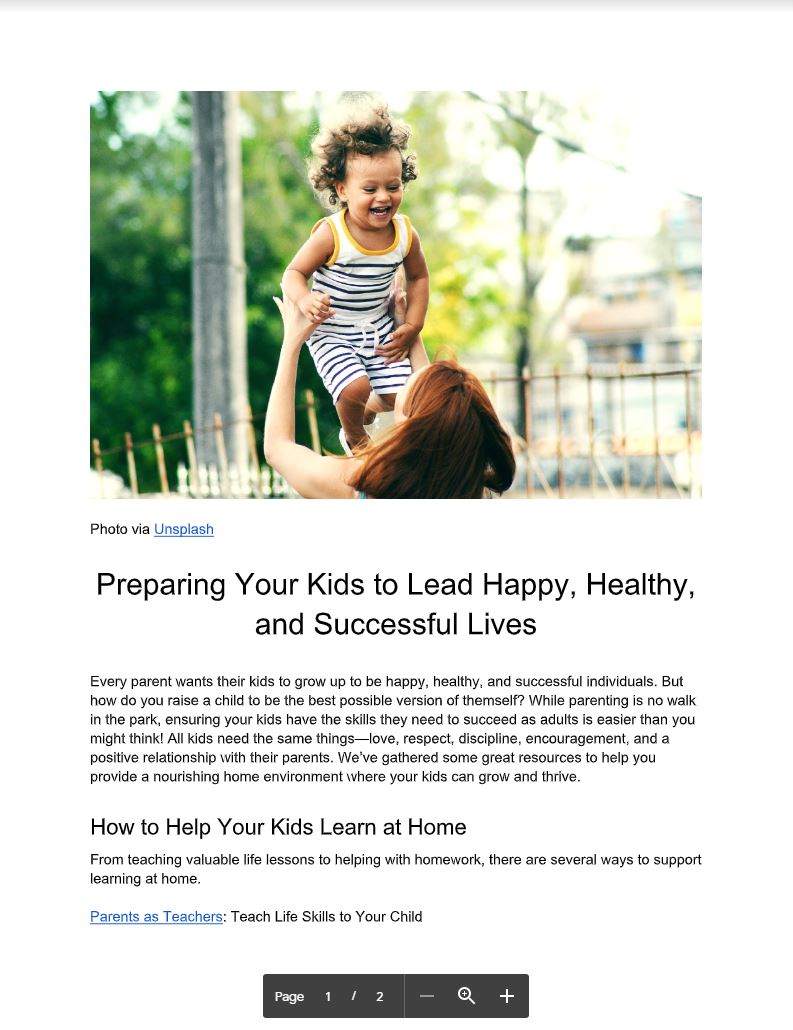
As you navigate the ups and downs of parenting, these useful tips and insights will prove invaluable. “Every parent wants their kids to grow up to be happy, healthy, and successful individuals”, says parent Kristen Louis.
Download her advice and tips for free below. – Downloads in docx file format.
National forum for neuroscience and special education
“Education is concerned with enhancing learning, and neuroscience is concerned with understanding the mechanisms of learning. It seems only logical that one should inform the other.” Professor, Dame Uta Frith, Patron of the National Forum for Neuroscience and Special Education.
This group brings together scientists, teachers and social care professionals to share knowledge, best practice and expertise on special education in the context of neuroscience.
The forum aims to do the following:
Encourage discourse around the changing pattern of childhood disability
Share insights from both fields that lead to innovative practice and better learning outcomes for children
Campaign on issues of interest to the forum (for example, better training for teachers, more support for students with mental health issues and greater flexibility in the school system over ages and class groups).
The group works closely with the autism and girls forum and reports to our SEND sector council. And it is an independent group that we currently serve.
History
The group was founded in 2011 by Professor Barry Carpenter CBE, Professor Francesca Happé and Dr Rona Tutt OBE (a past president of NAHT). It emerged from discussions about how to facilitate closer working between neuroscientists and those working with children who have special educational needs and/or disabilities (SEND).
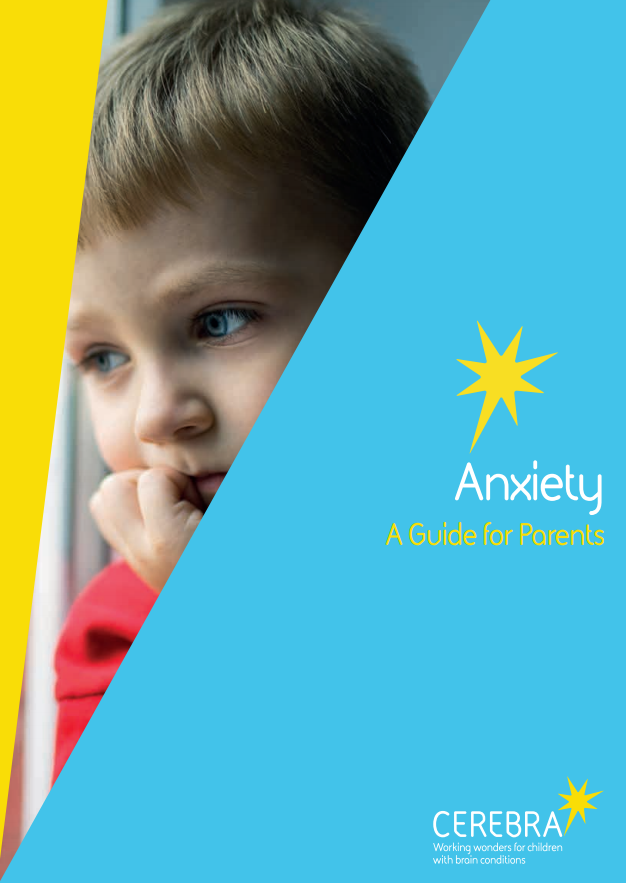
Each month we highlighting one of our information resources. This month it’s the turn of our Anxiety guide. It can be difficult to spot signs of anxiety in others, especially in children with brain conditions, who can’t always express what they’re feeling. Our anxiety guide gives advice on spotting the common signs and gives some strategies for helping your child reduce their anxiety.
Click the cover image below, or here to download this free resource from Cereba
In this recording, Professor Carpenter described the merits and value of this The Transition Toolkit resource from nurture.uk. The author is Dr Tina Rae.
The Transition Toolkit resource can be obtained from the from the following website link: nurtureuk
Reflections on a Recovery Curriculum: A conversation with Barry Carpenter, Professor of Mental Health in Education here hosted by Jonathan Reid, Senior Lecturer, School of Education, Oxford Brookes University.


 Barry Carpenter Education